

On the Effectiveness of Mutational Grammar Fuzzing
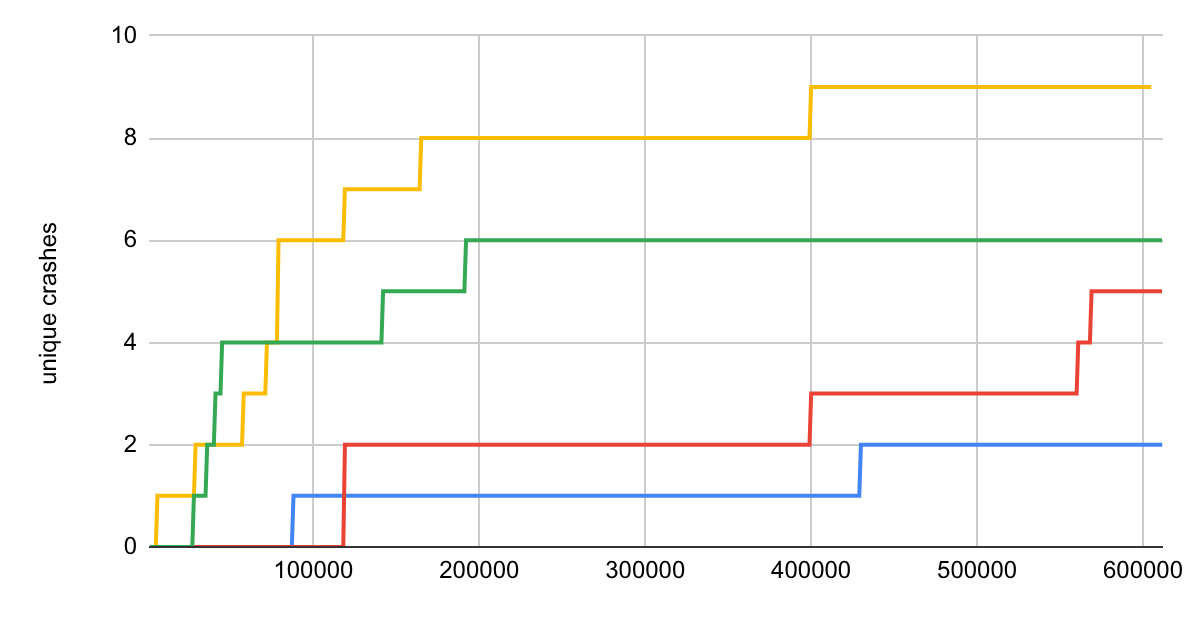
This blog post discusses the limitations of mutational grammar fuzzing, a technique commonly used for language fuzzing and XSLT testing. The primary issue is that while coverage increases, it doesn't necessarily lead to an increase in bug discovery due to the tendency of the technique to produce similar samples repeatedly. The author proposes a solution: periodically restarting a fuzzing worker with a fresh corpus, periodically syncing with a central server to incorporate samples from other workers. This approach, implemented with Jackalope, aims to improve sample diversity and ultimately enhance bug detection by introducing a more varied set of inputs to the target system. The blog post includes a detailed implementation guide for setting up and running this method.
Summary written automatically in our own words from the original article, which belongs to its publisher and remains the reference. It may contain errors. Sources & data