

CIA official touts agency’s Cyber Mission Center in capture of Venezuela’s Maduro
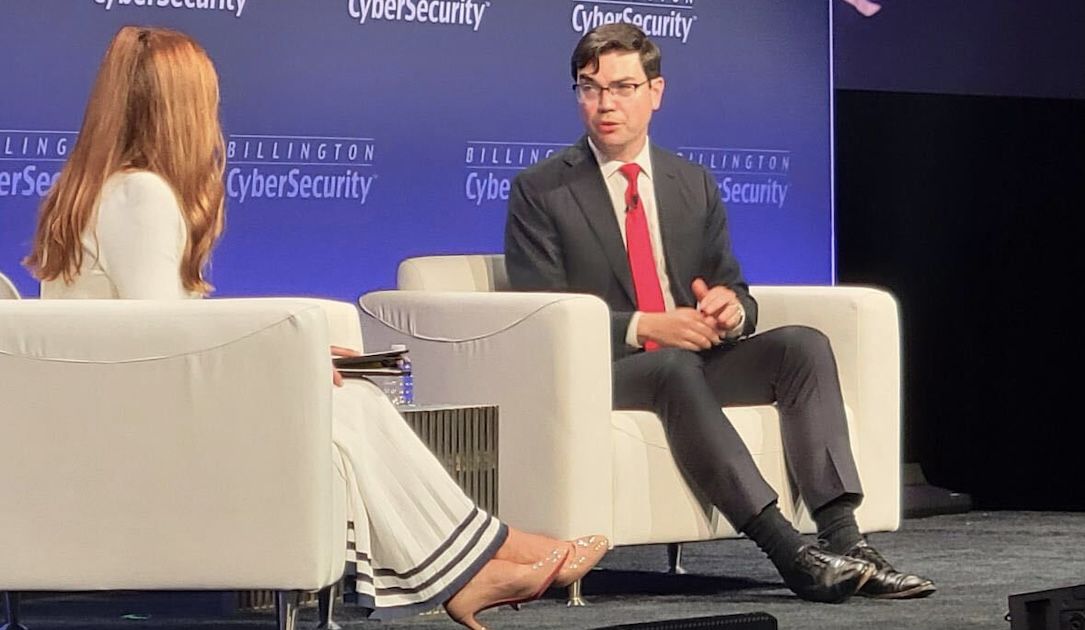
The CIA’s Cyber Mission Center played a crucial role in the operation that led to Venezuelan President Nicolás Maduro’s capture. Deputy Director Michael Ellis highlighted the agency’s cyber operations as a key element in providing intelligence for U.S. special forces, emphasizing the increasing use of AI in these operations. This marks a rare public acknowledgement of the CIA’s cyber activities and a recognition of the evolving role of digital resources in intelligence gathering.
The CIA’s Cyber Mission Center was instrumental in the operation that resulted in the capture of Venezuelan President Nicolás Maduro earlier this year. Deputy Director Michael Ellis revealed that the agency’s cyber operations provided a “flawless intelligence picture” that enabled U.S. special forces to pinpoint Maduro’s location and apprehend him within four minutes of landing on the ground. This operation, known as Operation Absolute Resolve, involved extracting Maduro and his wife from their bunker in Caracas.
Ellis’ comments represent a significant public acknowledgement of the CIA’s cyber activities, traditionally kept highly confidential. Director John Ratcliffe elevated the agency’s longstanding Center for Cyber Intelligence into its own mission center late last year, streamlining reporting chains and allowing for more agile resource allocation to support cyber operations.
Ellis further noted that the agency is increasingly leveraging AI to enhance its intelligence capabilities. He cited an example of producing a fully AI-generated intelligence report, highlighting the speed and scale advantages provided by these tools. However, he stressed the importance of maintaining human oversight and developing diverse approaches to avoid reliance on single vendors or models.
The operation also resulted in the unsealing of narcoterrorism charges against Maduro and his wife, who are seeking to dismiss them under immunity claims.