

Coast Guard, FBI boarded tanker after attack by ‘foreign cyber actors’
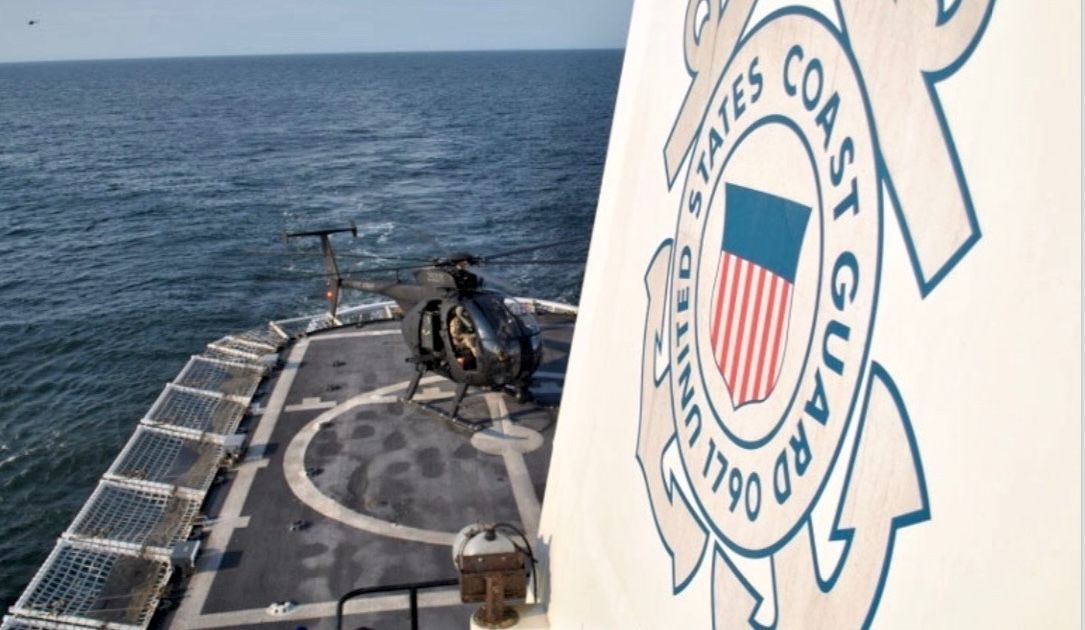
A U.S. Coast Guard, with FBI assistance, boarded a tanker, VL Prosperity, in the Gulf of Mexico after its network was attacked by suspected ‘foreign cyber actors.’ The incident followed a similar attack on another tanker and highlights a growing trend of cyberattacks targeting ports and shipping companies globally, potentially linked to geopolitical tensions. The attack caused a shift to manual operations at North Carolina Ports the day before.
The U.S. Coast Guard, in conjunction with the FBI, boarded a tanker, VL Prosperity, in the Gulf of Mexico after its network was compromised by suspected ‘foreign cyber actors.’ The incident followed a similar attack on another tanker on August 24th. Bloomberg News identified VL Prosperity as a Liberian-flagged ship originating in Egypt and headed to a port in the United States when it was attacked on August 7th. A crew member reported that the attackers were able to increase engine speed and disable the ship’s fuel and engine-oil tank.
Mehr, an Iranian government-backed news outlet, reported that the ship lost communications for 30 hours. Russian analysts have linked the attack to the ongoing military conflict between the U.S. and Iran, though no specific hacking group has claimed responsibility. The U.S. Coast Guard spokesperson stated that officials boarded the ship to ‘ensure integrity of the vessel’s operational and information technology systems.’
North Carolina Ports reported a cyberattack on August 23rd, forcing a shift to manual operations. A spokesperson for North Carolina Ports indicated that its IT system was ‘hacked by an outside actor or group.’ Ports in the U.S., Europe, and Asia have been repeatedly targeted by ransomware gangs in recent years, with incidents affecting companies like Royal Dirkzwager, DNV, Oiltanking, Mabanaft, and Expeditors International. The increasing digitalization of port operations has made them attractive targets for malicious actors.