

Key lawmaker suggests action on AI safety legislation will wait until 2027
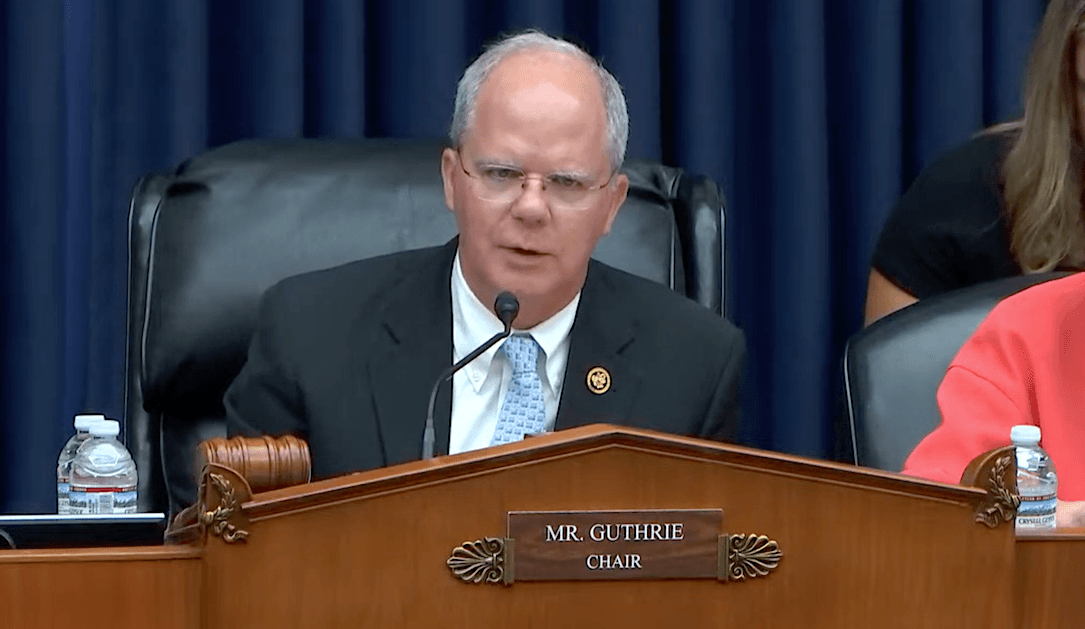
Lawmaker Brett Guthrie indicated that a vote on the FRONTIER Act, a bipartisan bill aimed at establishing AI safety regulations, is unlikely to occur this year. The legislation, supported by major AI companies and a growing number of lawmakers, seeks to address concerns about AI-driven cyberattacks and promote industry-wide testing of AI models. Despite calls for regulation and a potential industry-led testing system proposed by Elon Musk, the White House opposes further regulation, and some argue existing cybersecurity laws are sufficient.
Lawmaker Brett Guthrie has suggested that a vote on the FRONTIER Act, a comprehensive bipartisan bill designed to establish AI safety regulations, will not occur this year. The legislation, co-sponsored by Representatives Jay Obernolte (R-CA) and Lori Trahan (D-MA), is widely considered the most promising path for Congress to implement AI safety guardrails in the near future. It has garnered support from prominent AI companies like OpenAI and Anthropic, alongside a growing number of federal lawmakers across party lines.
However, the White House has downplayed concerns surrounding AI-driven cyberattacks and opposes additional regulation. David Sacks, the former AI czar, echoed the president’s position, suggesting that existing U.S. laws holding industry accountable for cyberattacks are adequate.
One potential solution discussed was a system proposed by Elon Musk, where AI companies would test each other’s models before public release, leveraging competition as a safety mechanism. Chinese companies could potentially participate in this testing process.
Following a recent incident where a former Anthropic staffer raised concerns about AI agents potentially causing harm, and subsequent hacking attempts against Hugging Face, OpenAI collaborated with Hugging Face on a forensic investigation and implemented significant infrastructure changes to prevent future attacks. Hugging Face CEO Clem Delangue advocated for mandatory disclosure of cyberattacks carried out by AI agents, including full agent traces and training model details, to improve transparency and enable better adaptation to the evolving threat landscape.