

Iran Signed a Ceasefire — Its Hackers Didn't
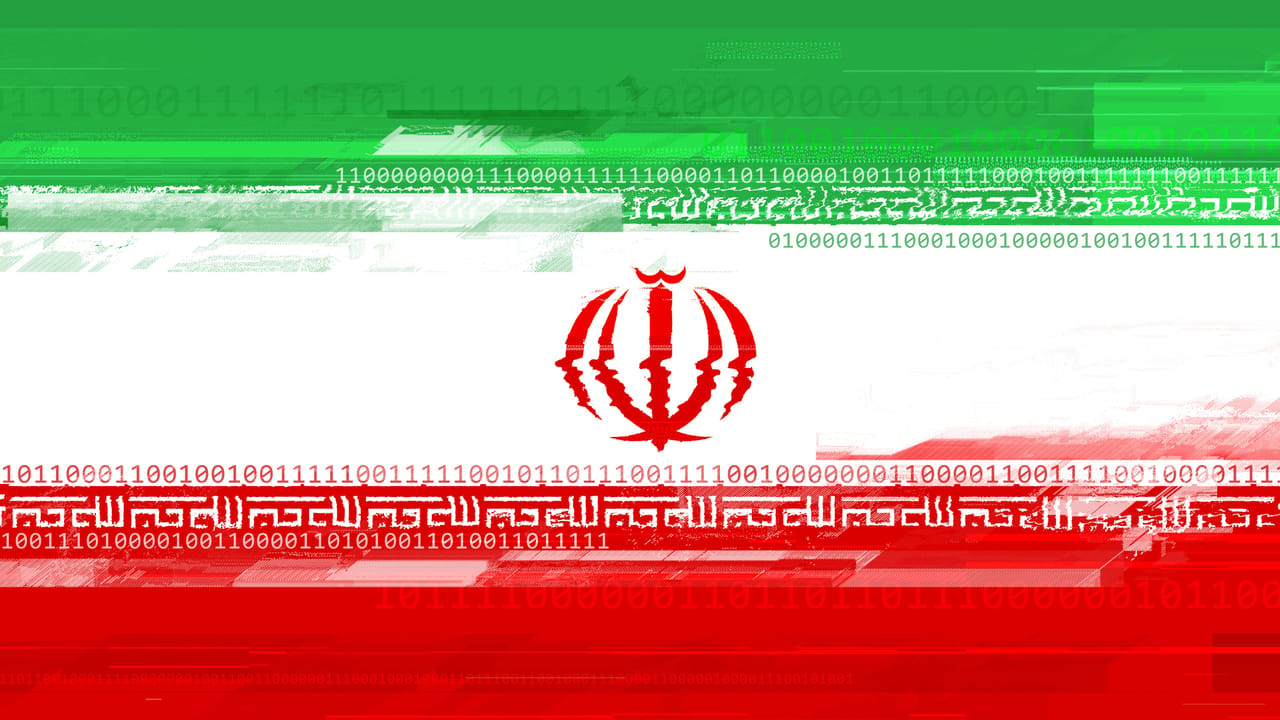
This Dark Reading article discusses the ongoing cyber warfare between Iran and the United States, highlighting a significant loophole in international conflict rules. Following a ceasefire extension, U.S. agencies warned of Iranian-affiliated actors manipulating programmable logic controllers in U.S. critical infrastructure, leading to operational disruptions and financial losses. The article argues for a cyber extension to the Geneva Conventions, proposing a framework for holding state-aligned hacking groups accountable for attacks on critical infrastructure, drawing parallels with traditional warfare and citing existing mechanisms for international consequences.
The United States and Iran have extended a ceasefire, but the cyber domain remains a battleground. Following the announcement, the FBI, CISA, NSA, EPA, DOE, and U.S. Cyber Command's Cyber National Mission Force issued a joint advisory detailing that Iranian-affiliated actors had been manipulating programmable logic controllers (PLCs) within U.S. critical infrastructure since March. This manipulation resulted in confirmed operational disruptions and financial losses across sectors including water, energy, and government services. The advisory underscores the vulnerability of these systems to state-sponsored attacks, despite the ceasefire’s focus on kinetic warfare.
The article argues that the current lack of rules governing cyberwarfare represents a critical loophole in international conflict. Unlike traditional warfare, there are no established constraints on state-aligned hacking groups targeting critical infrastructure. The absence of clear regulations allows Iran, and potentially other actors, to operate with impunity, posing a significant threat to national security. The piece advocates for a comprehensive approach, drawing parallels to the Geneva Conventions and suggesting mechanisms for accountability.
The proposed solution involves extending the Geneva Conventions to encompass cyberspace, holding countries responsible for attacks originating from their territory or infrastructure under their influence. The article suggests utilizing existing international frameworks, such as Interpol and the UN, to enforce these norms and emphasizes the importance of attribution and consequences for violations, referencing past instances of sanctions and diplomatic repercussions.