

As Global Powers Explore Humanoid Robots, Cyber-Risk Looms
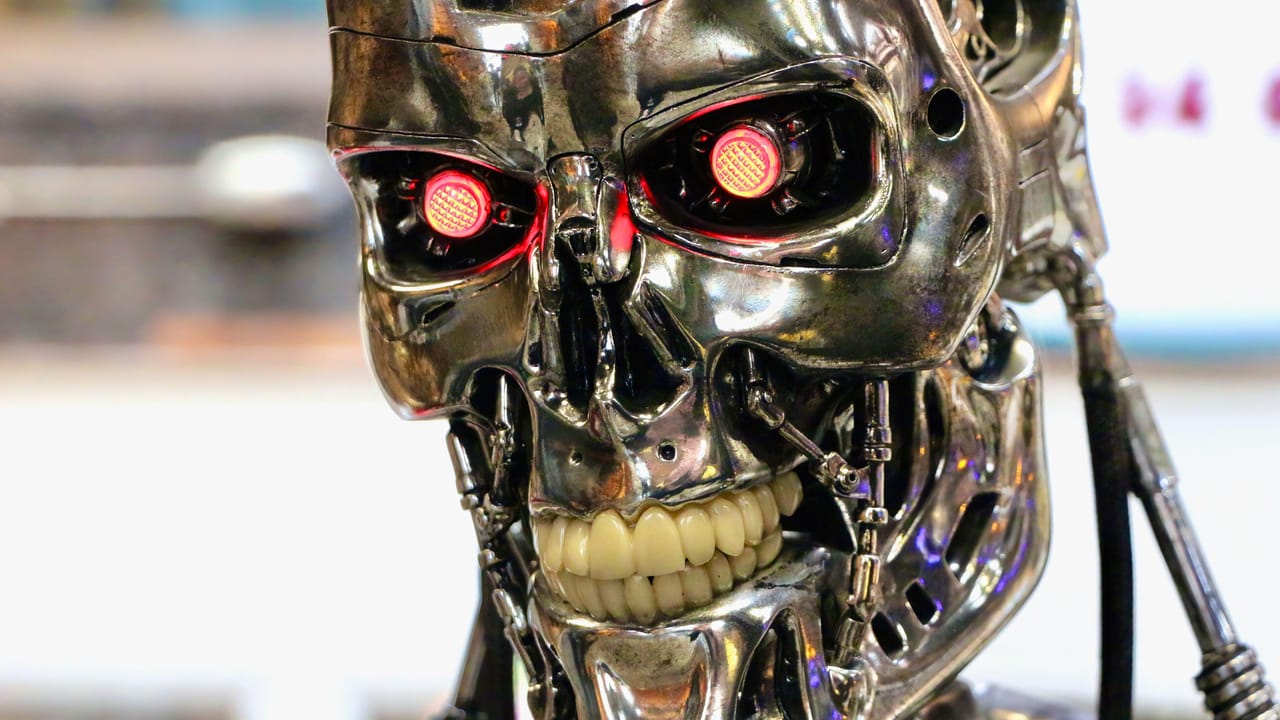
This article discusses the emerging cybersecurity risks associated with the rapid development and deployment of embodied AI, particularly humanoid robots. The core concern is that these systems, currently being developed by nation-states like China, are vulnerable to cyberattacks due to a lack of security considerations and the potential for data theft and unauthorized control. Furthermore, the supply chains supporting these robots are becoming targets for cyberespionage, particularly within the mining sector, driven by the demand for rare earth elements.
The article highlights a growing trend of nation-states investing heavily in embodied AI, including humanoid robots, driven by factors like population decline and the potential for industrial automation. This development is creating new cyber battlefields, with risks extending beyond the robots themselves to encompass their AI models, data centers, and supply chains. Concerns are raised about the speed at which companies are deploying these systems without adequate security measures, leading to vulnerabilities such as data leakage to China and unauthorized remote control, reminiscent of iRobot-style compromises. The article emphasizes the need for robust cybersecurity protocols to mitigate these risks.
The focus then shifts to the broader supply chain vulnerabilities. The demand for rare earth elements and critical minerals, essential for building embodied AI systems, is creating a lucrative target for cyberespionage. The mining sector is identified as a key area of concern, with China’s advanced persistent threat (APT) groups, notably APT15 (Nickel), actively targeting mining companies for intelligence gathering, sabotage, or technology theft. The article cites examples of Chinese APT activity, including targeting a Canadian mining company in 2021 and ongoing operations related to seabed exploration and mining partnerships.
Ultimately, the piece argues that the rush to market with embodied AI is creating significant security gaps, and that the supply chain is becoming a critical battleground for cyber espionage, particularly by state-sponsored actors.