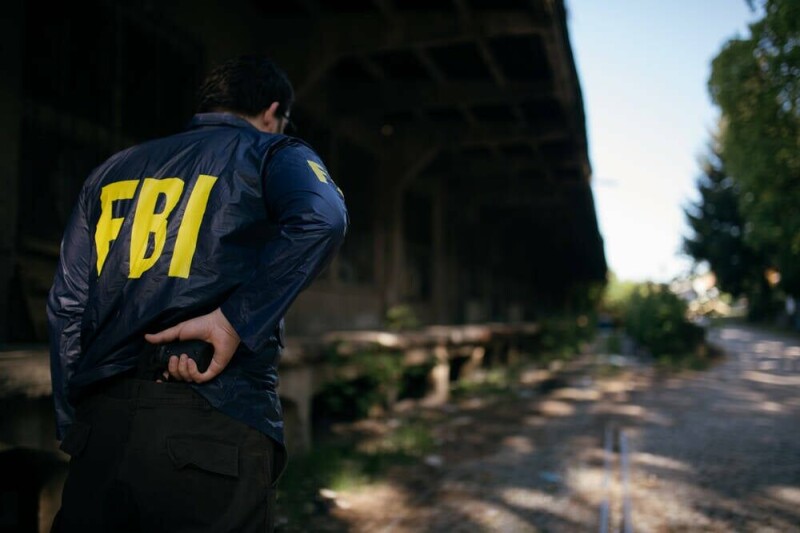
US government snitch-finder pleads guilty to leaking state secrets to foreign spies
A former DIA IT specialist pleaded guilty to attempting to leak classified information to a foreign government. After an undercover FBI operation, Laatsch was caught attempting to transmit state secrets and military exercise analysis, along with details about internal investigations, to a foreign entity in exchange for potential citizenship. The case highlights the ongoing efforts to prevent insider threats and protect sensitive intelligence information.
A former Defense Intelligence Agency (DIA) IT specialist, Nathan Vilas Laatsch, 29, pleaded guilty to attempting to pass classified information to a foreign government. The case began when Laatsch, employed at the DIA since 2019 and holding top-secret clearance, initiated contact with an undercover FBI agent in March 2025, offering to share classified intelligence products, unprocessed intelligence, and other classified documentation in exchange for potential citizenship in a ‘friendly foreign government.’
Initially, Laatsch engaged in lengthy email exchanges with the agent, describing his role at the DIA, including his work enabling user activity monitoring on individuals under investigation and assisting external partners on insider threat tools. He repeatedly described the types of information he was willing to provide, including sensitive methods of intelligence collection and analysis of foreign military exercises.
After a series of carefully orchestrated interactions, the FBI initiated an undercover operation to trick Laatsch into believing he was communicating with a genuine spy. Laatsch continued to engage with the agent, providing detailed information about internal investigations and common ‘stupid mistakes’ made by those under investigation, emphasizing that he could easily avoid detection. He repeatedly described the files he was offering, including sensitive compartmented information.
On April 28, 2025, Laatsch entered his office and began accessing classified information, spending the day writing notes and repeatedly folding them into squares to conceal them in his socks before leaving. The FBI subsequently arranged a second intel drop, instructing Laatsch to transfer files to a picnic table in Arlington, Virginia, where he successfully completed the transfer and was immediately arrested.
The investigation revealed that Laatsch had chosen the files himself, based on his own assumptions about the foreign government’s interests. The device and accompanying notes contained a personal message from Laatsch expressing his willingness to accept other forms of compensation and his desire to become a citizen in the foreign nation. The plea agreement recommends a sentence between 11 and 18 years, including time served, with a maximum sentence of life and a $250,000 fine. The FBI emphasized the importance of safeguarding sensitive information and holding accountable those who exploit their access for personal gain.