

Russian data centers face new security requirements amid Ukraine's drone threats
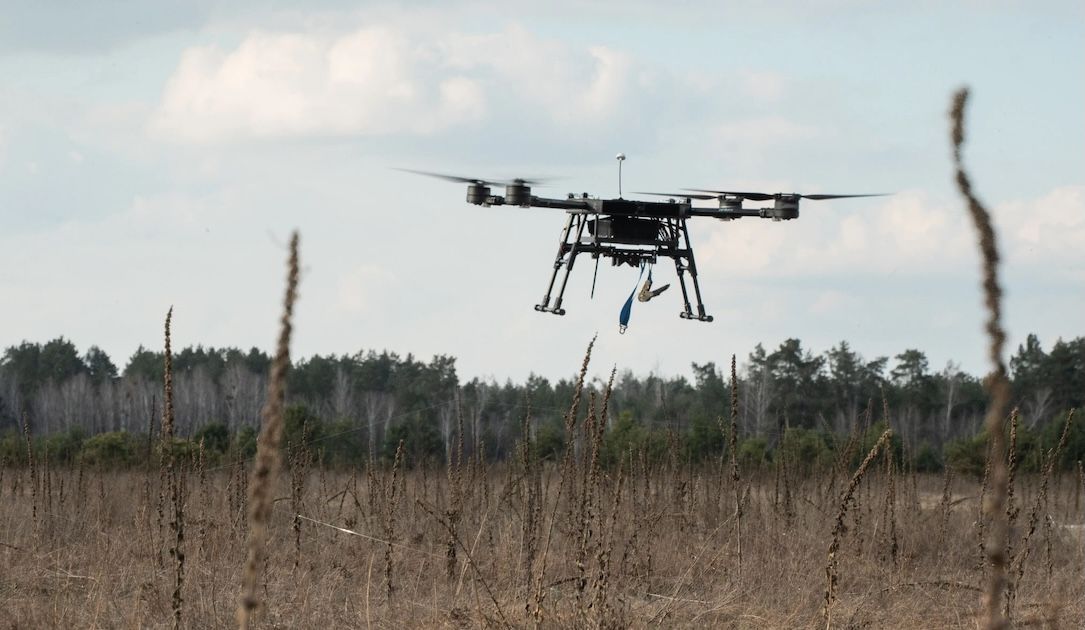
Due to escalating drone attacks from Ukraine, Russian data center operators are facing new security requirements and increased costs to bolster physical defenses. The Kremlin is tightening regulations for critical infrastructure, impacting data centers hosting government systems, banks, and major service providers. This shift is driven by a growing concern over aerial attacks targeting facilities in Moscow and St. Petersburg, leading to potential price increases for IT infrastructure.
Russian data center operators are preparing to significantly increase their investment in physical security measures as Moscow implements stricter regulations for critical infrastructure in response to ongoing Ukrainian drone attacks. A new decree signed by President Vladimir Putin in late August allows the government to temporarily take control of critical infrastructure if operators fail to adequately protect their facilities, including from drone attacks.
The decree covers a wide range of sectors, including energy, telecommunications, transportation, and utilities, and is specifically impacting data centers hosting systems used by government agencies, banks, and major service providers. Some data centers have already begun strengthening defenses around external engineering equipment, according to Russian hosting provider RUVDS CEO Nikita Tsaplin.
Russia has been experimenting with various defense strategies, including anti-drone nets and metal barriers, but many of these defenses are proving inadequate against increasingly sophisticated drones. A leaked document from Russian oil giant Rosneft acknowledged the limitations of existing defenses, stating they could not guarantee protection against explosions or debris.
Ukraine has dramatically expanded its long-range drone operations since 2023, targeting airports, oil refineries, industrial facilities, and warehouses deep within Russia. In July, a strike in Kyiv damaged a major data center, forcing several local internet providers to suspend operations. Furthermore, Ukrainian data centers have also faced cyberattacks, with a facility serving several state-owned companies experiencing disruption in January 2024.
Russian media reports indicate that some companies are considering relocating data from facilities around Moscow to locations east of the Ural Mountains, partly due to drone attacks on the capital. The increased security investments are expected to raise operating costs for data centers, which could be passed on to customers. The situation highlights a growing cybersecurity challenge for Russia and the potential for further disruption to critical infrastructure.