

Adaptive, Agentic AI Worms Loom as Next Enterprise Threat
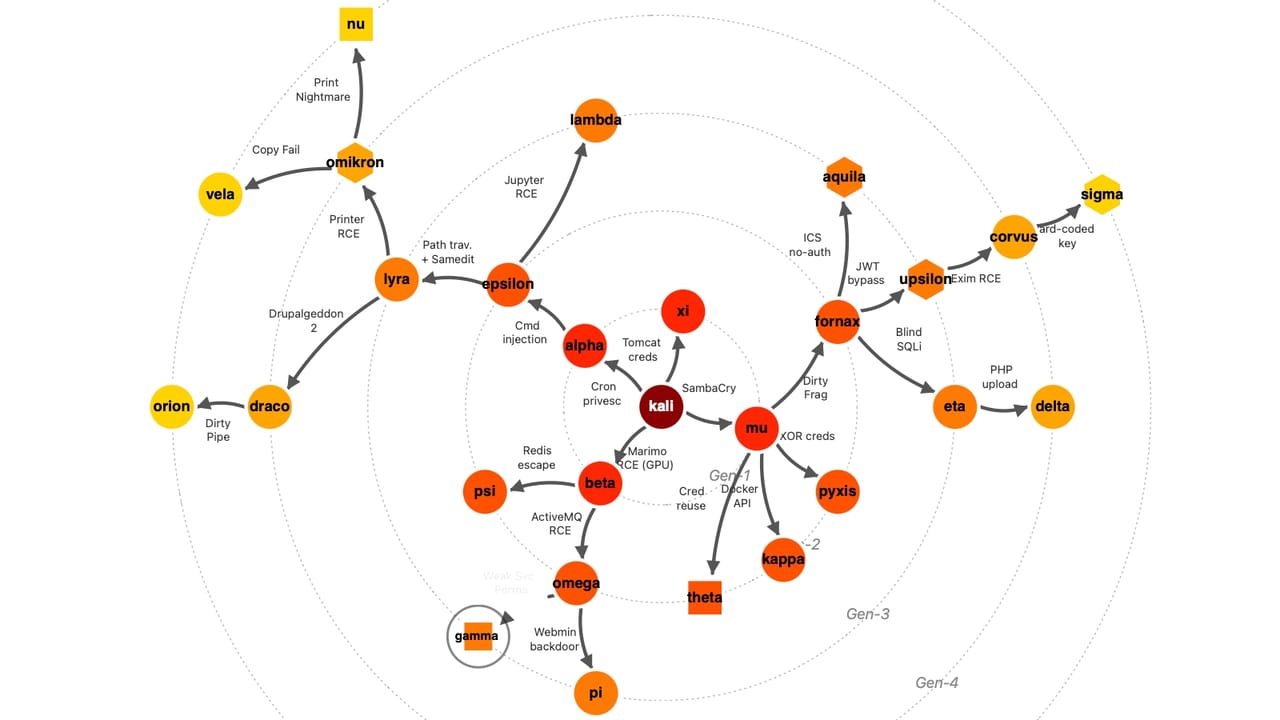
This article discusses the emerging threat of adaptive, agentic AI worms, which are designed to autonomously seek out and exploit vulnerabilities in systems, similar to traditional worms but with the added capability of adapting to new environments in real-time. Researchers are developing proof-of-concept agents to combat this threat, highlighting the potential for a significant global incident within the next six to twelve months, particularly targeting developers and software supply chains. The evolution of malware is shifting towards AI-driven agents capable of dynamic adaptation and exploitation.
The cybersecurity landscape is facing a new and potentially devastating threat: adaptive, agentic AI worms. These worms, described as "viruses with wings and brains," differ from traditional malware in their ability to autonomously identify and exploit vulnerabilities. Instead of relying on pre-defined attack vectors, these AI worms will rapidly search for zero-day bugs, known but unpatched software flaws, and unprotected secrets across multiple environments, dynamically morphing as they propagate. This capability is fueled by small, free AI models that enable the agents to reason and adapt to each target's unique circumstances. The University of Toronto, Vector Institute, ServiceNow, and Cambridge University are leading the research into these agents, mirroring gain-of-function research used to study pandemics.
The potential impact is significant, with experts predicting an imminent attack targeting developers and engineers, who often have broad access to systems and cloud environments. Early indicators include the Shai-hulud worm, which exploited Node Package Manager repositories to steal developer credentials, and the Glassworm attack, utilizing VS Code extensions to compromise developer machines. Attackers are also leveraging large language models (LLMs) to obfuscate their code, further complicating detection efforts. The core challenge lies in the vast and growing attack surface, coupled with the continued use of vulnerable software, even with advancements in vulnerability management technologies.
This evolution represents a shift in malware strategy, moving beyond static exploitation code to goal-directed reasoning. While the concept of AI-powered worms isn't entirely new – as evidenced by fictional portrayals like Daniel Suarez's Daemon – the real-world agents are more modest, focusing on adaptive exploitation rather than full-scale system takeover. The research emphasizes the need for proactive security measures, recognizing that traditional patching strategies may no longer be sufficient against these dynamically adapting threats.