Treasury's FinCEN takes systems offline after cybersecurity incident
The Treasury Department's Financial Crimes Enforcement Network (FinCEN) has taken some systems offline following a cybersecurity incident, leading to temporary service disruptions.
Bulgaria has shut down a five-year cyberespionage operation targeting government networks, discovering the intrusion thanks to a newly implemented national cybersecurity system.
A series of significant IT outages across various US infrastructure sectors – including Microsoft Exchange, the FAA, JPMorgan Chase, and United Airlines – sparked fears of a cyberattack. The article highlights the diffic…
Leading senators are urging the White House to develop and deploy AI-powered defensive cyber systems to address rapidly increasing AI-enabled cyber threats. The U.S. needs to establish security standards for autonomous A…
The FBI has detected and disrupted multiple Chinese state-sponsored cyberattacks targeting U.S. critical infrastructure, highlighting a growing national security risk due to significant technology debt within the federal…
A new GAO report reveals that U.S. federal agencies are significantly behind on preparing for the advent of quantum computing and the potential to break current encryption methods. The report emphasizes that agencies nee…
King Charles III officially opened the new headquarters for the UK’s National Cyber Force, a unit responsible for offensive cyber operations against state and non-state actors. The NCF works with multiple intelligence ag…
France is establishing the International Center for Artificial Intelligence in Defense (ICAID) in Rennes to foster collaboration among allied nations on the development, evaluation, and interoperability of military AI sy…
Most organizations are struggling to prepare for the post-quantum cryptography (PQC) transition, lacking a comprehensive cryptographic inventory and a clear roadmap. The urgency is driven by the potential arrival of quan…
Poland temporarily shut down its government services platform, ePUAP, following a cyberattack.
NIST has released a new cybersecurity white paper aimed at helping solo business owners – solopreneurs – improve their security posture. The paper acknowledges the shift in threat actor targeting strategies, driven by ad…
Norad, Norway's national aid agency, has been hacked, resulting in the theft of personal data – names and email addresses – of 20,614 registered users and information from at least three organizations' grant applications…
Hackers linked to the Russian Foreign Intelligence Service exploited previously patched vulnerabilities in iOS and Android devices to attempt to steal user data from websites, including those related to Ukraine and the 2…
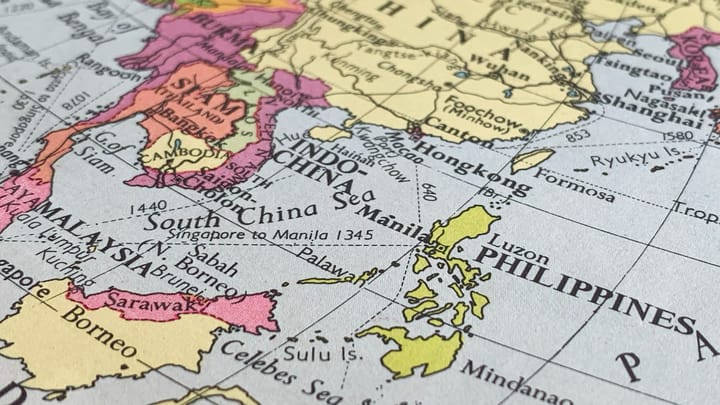
An unknown threat actor breached the Philippine Overseas Employment Administration (POEA), exfiltrating approximately 69GB of sensitive data, including migrant worker records, contracts, and financial information.
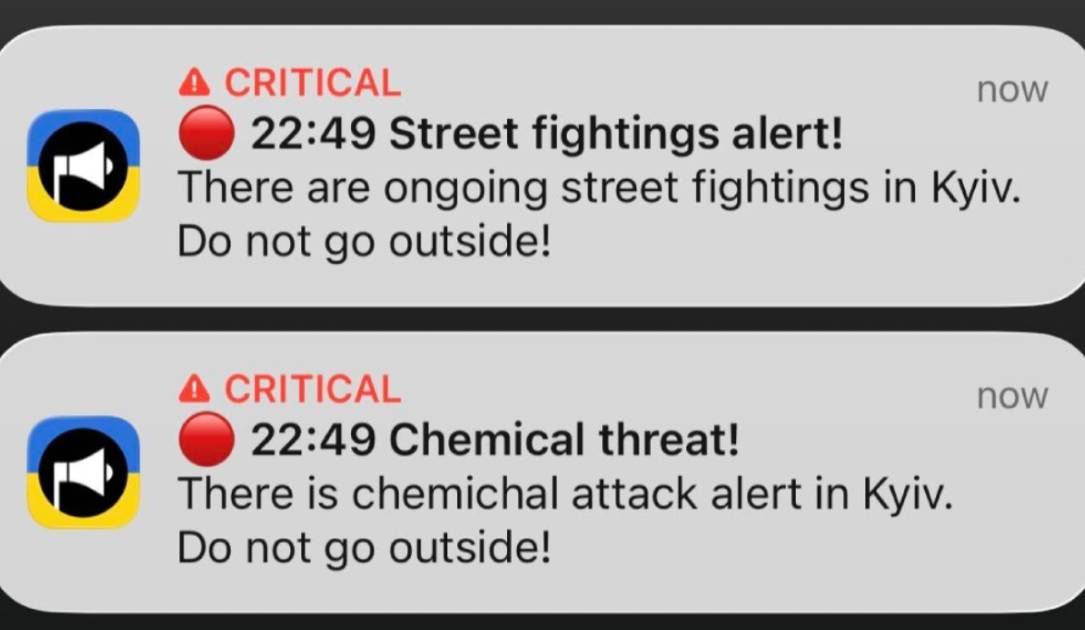
The Air Alert app in Ukraine was compromised, leading to fake notifications, while a group called DC8044 hacked Russia's EMERCOM app, distributing similar false warnings.
A cyberattack on the Bankruptcy Noticing Center (BNC), maintained by BAE Systems for the U.S. Courts, caused significant disruptions to bankruptcy proceedings.
BAE Systems’ Bankruptcy Noticing Center (BNC) system, used by U.S. federal bankruptcy courts, went offline for over two weeks, causing delays in bankruptcy notices.
Ukraine and SpaceX CEO Elon Musk are disputing claims that Ukrainian forces misused Starlink satellite internet for offensive drone strikes. Connectivity disruptions have hampered Ukraine's ability to intercept Russian j…
Cybercriminal Chimeraz is claiming to possess data related to three French political parties: Renaissance, La France Insoumise, and the French Communist Party (PCF). He’s offering some data for sale and distributing part…
The UK government is proposing new legislation to increase prison sentences – up to 14 years – for damaging undersea cables and pipelines, citing concerns about potential sabotage by hostile states, particularly Russia.